
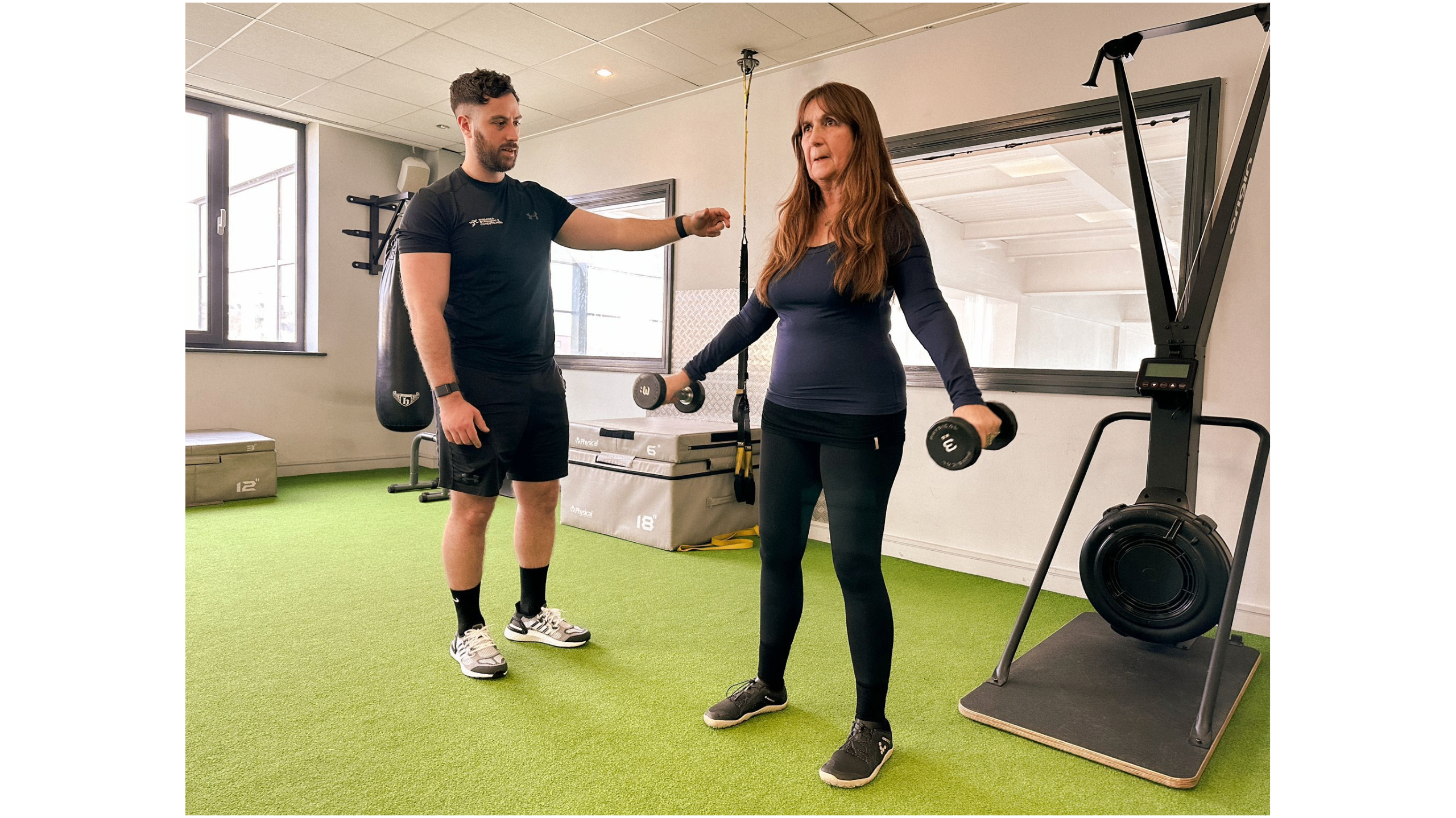
Key Takeaways
- Research supports strength training as one of the most effective non-pharmacological approaches for managing chronic low back pain in older adults.
- Core resistance training shows particularly strong results for improving functional status and reducing disability in people with back pain.
- The UK Chief Medical Officers’ physical activity guidelines recommend adults 65 and older perform muscle-strengthening activities at least two days per week—and the 2026 ACSM Position Stand confirms resistance training is safe for healthy adults of all ages.
- Starting slowly with bodyweight exercises, focusing on proper form, and consulting a healthcare provider before beginning are essential steps for training safely.
- Consistency matters more than intensity -building strength gradually over weeks and months delivers better long-term results than pushing too hard too soon.
Back pain is one of the most frequent complaints among older adults – and one of the most frustrating. It limits mobility, disrupts sleep, and makes everyday activities harder than they should be.
If you’ve been dealing with it for months or years, you’ve probably tried a number of approaches with varying degrees of success – and might be wondering whether strength training can help.
Research increasingly supports resistance training as an effective approach for managing chronic back pain in older adults. But knowing how to start safely is just as important as knowing whether it works. This guide covers what the evidence says, why strength training can make a difference, and how to begin without putting yourself at risk.
What The Research Says About Strength Training And Back Pain
A 2025 systematic review and meta-analysis examining different types of core training found that core resistance training demonstrated the most significant and stable effects for improving functional status in adults with chronic nonspecific low back pain. The research shows that strengthening the muscles supporting the spine, what researchers call the lumbar-pelvic-hip complex, can improve stability, reduce pain, and help people return to activities they’d been avoiding.
A separate network meta-analysis published in the European Review of Aging and Physical Activity found that older adults who participated in strength training programmes experienced significant reductions in lower back pain and self-reported disability. Participants also showed improvements in balance, muscular strength, and health-related quality of life.
This doesn’t mean strength training works for everyone or eliminates all back pain. But the pattern across multiple studies is consistent: for many older adults with chronic back pain, resistance training offers meaningful benefits.
Why Strength Training Works For Back Pain
The muscles of the core and lower body work together to stabilise the spine. They act as a support system – absorbing load, maintaining posture, and protecting the structures that can generate pain when overstressed.
When those muscles weaken, which happens naturally with age and accelerates with inactivity, the spine loses that support.
Strength training rebuilds that support system. Stronger muscles absorb more load, protect the spine during everyday movements, and improve the posture habits that contribute to discomfort over time.
The Broader Benefits For Older Adults
Strength training does far more than address back pain. The 2026 ACSM Position Stand — the most comprehensive evidence review to date, drawing on 137 systematic reviews and over 30,000 participants — confirms that resistance training delivers a remarkable range of health benefits for older adults.
Falls are the leading cause of injury-related death in adults over 65. Exercise programmes incorporating balance and strength training reduce fall risk by 18-34%. Research shows 15-35% gains in lower-limb strength are achievable with consistent training — strength that directly translates to stability and confidence in daily movement.
Beyond fall prevention, the evidence links resistance training to improved bone density, better cognitive function, reduced symptoms of depression and anxiety, and higher quality of life scores across physical health, mental health, and everyday functioning.
What The Guidelines Recommend
The UK Chief Medical Officers’ physical activity guidelines provide clear direction for older adults.
Adults aged 65 and over should aim to build strength on at least two days per week, targeting all major muscle groups—legs, hips, back, abdomen, chest, shoulders, and arms. The guidelines also recommend 150 minutes of moderate-intensity aerobic activity weekly (or 75 minutes of vigorous activity), along with activities that improve balance and flexibility.
For back pain specifically, research suggests optimal training parameters include core resistance training three to four sessions per week, with sessions lasting 30-45 minutes. That’s more than the general minimum, but the frequency reflects what studies have found most effective for addressing chronic pain.
If you’re just starting out, even two sessions per week represents meaningful progress. The key is consistency over time, not perfection from day one.
Is It Safe? Addressing The Concern Directly
Many people avoid resistance training because they worry it’s dangerous, especially if they’re older, have existing pain, or haven’t exercised in years.
The 2026 ACSM Position Stand addresses this concern directly: resistance training is safe for healthy adults of all ages. Large analyses show that exercise does not increase serious adverse events. Musculoskeletal issues that do occur during resistance training are typically linked to pre-existing problems and tend to resolve with appropriate modification.
In fact, some research found that among adults with coronary heart disease, the few nonfatal cardiovascular complications that occurred happened during aerobic training rather than resistance training.
That said, “safe” doesn’t mean “reckless.” Starting appropriately, progressing gradually, and consulting your GP or a physiotherapist, especially if you have existing back pain, a recent injury, or other health conditions, remains important.
How To Start Safely: Practical Steps
If you’re new to strength training or returning after a long break, these principles will help you begin without unnecessary risk.
Talk to your GP or physiotherapist first. If you have chronic back pain, heart conditions, or other health concerns, get clearance and guidance before starting. A physiotherapist can also help you identify exercises suited to your specific situation.
Begin with bodyweight exercises. Sit-to-stand movements, wall press-ups, calf raises, and modified squats build foundational strength without any equipment. These exercises teach your body to move properly before you add external resistance.
Consider resistance bands. They’re joint-friendly, inexpensive, and allow for gradual progression. Exercises like seated rows and chest presses can be done from a chair if standing is difficult.
Start lighter than you think. If using weights, begin with 1-2 kg. The goal early on is learning proper form and building the habit—not lifting heavy.
Focus on form over speed. Slow, controlled movements reduce injury risk and engage muscles more effectively. If you can’t maintain good form, the weight or resistance is too high.
Keep sessions short initially. Under 30 minutes is perfectly fine when starting. You can build duration as your body adapts.
Rest between training days. Allow at least one day before working the same muscle groups again. Recovery is when strength actually builds.
Exercises That Support The Lower Back
Exercises targeting the core and posterior chain tend to offer the most support for lower back health.
Bird-dogs strengthen the muscles along the spine while teaching coordinated movement between the arms and legs. Glute bridges build the gluteal muscles, which play a major role in pelvic stability and spinal support. Modified planks—whether from the knees or against a wall—engage the deep core muscles that stabilise the trunk. Gentle back extensions, done carefully, strengthen the erector spinae muscles that run along the spine.
Leg exercises matter too. Sit-to-stands and step-ups build the lower body strength needed for everyday movements like climbing stairs, rising from a chair, or getting out of a car.
A physiotherapist or qualified fitness instructor experienced with older adults can help design a programme tailored to your specific needs and limitations. What works for one person may not be appropriate for another—especially when back pain is involved.
Common Mistakes To Avoid
Starting too aggressively. Lifting too heavy, doing too many sets, or training too frequently before your body adapts is a recipe for injury or burnout. Progress should feel gradual.
Skipping the warm-up. Five to ten minutes of light movement—walking, gentle stretching, or mobility exercises—prepares muscles and joints for work.
Holding your breath. This is surprisingly common and can spike blood pressure. Breathe steadily throughout each exercise—exhale during the effort, inhale during the return.
Ignoring pain signals. Muscle fatigue and mild discomfort are normal. Sharp pain, worsening pain, or pain that lingers after exercise is not. If something feels wrong, stop and seek guidance.
Following programmes designed for younger adults. Exercises, loads, and recovery times often need modification for older bodies. What a 30-year-old can tolerate isn’t always appropriate for someone in their 60s or 70s.
So, strength training won’t fix every back problem. It’s not a substitute for medical evaluation if you’re dealing with significant or worsening pain. And it requires patience — meaningful results build over weeks and months, not days.
But for many older adults, building strength, especially in the core and lower body, offers a real path toward less pain, better function, and greater independence.
Swansea Strength & Conditioning Ltd
The Village Hotel, Langdon Rd,
Swansea
Swansea
SA1
United Kingdom


