STOCKTON, IL – May 28, 2026 – PRESSADVANTAGE –
Elevated Roofing says modern asphalt roofing systems have evolved significantly over the last two decades as changing weather conditions, updated manufacturer requirements, and longer-term performance expectations continue influencing how residential roofs are installed throughout Northwest Illinois and Northeast Iowa.
According to the company, many homeowners still evaluate roofing projects primarily by the appearance or color of shingles, while much of a roof system’s long-term performance depends on underlayment, flashing integration, ventilation design, water management, and installation methods beneath the visible roofing materials.
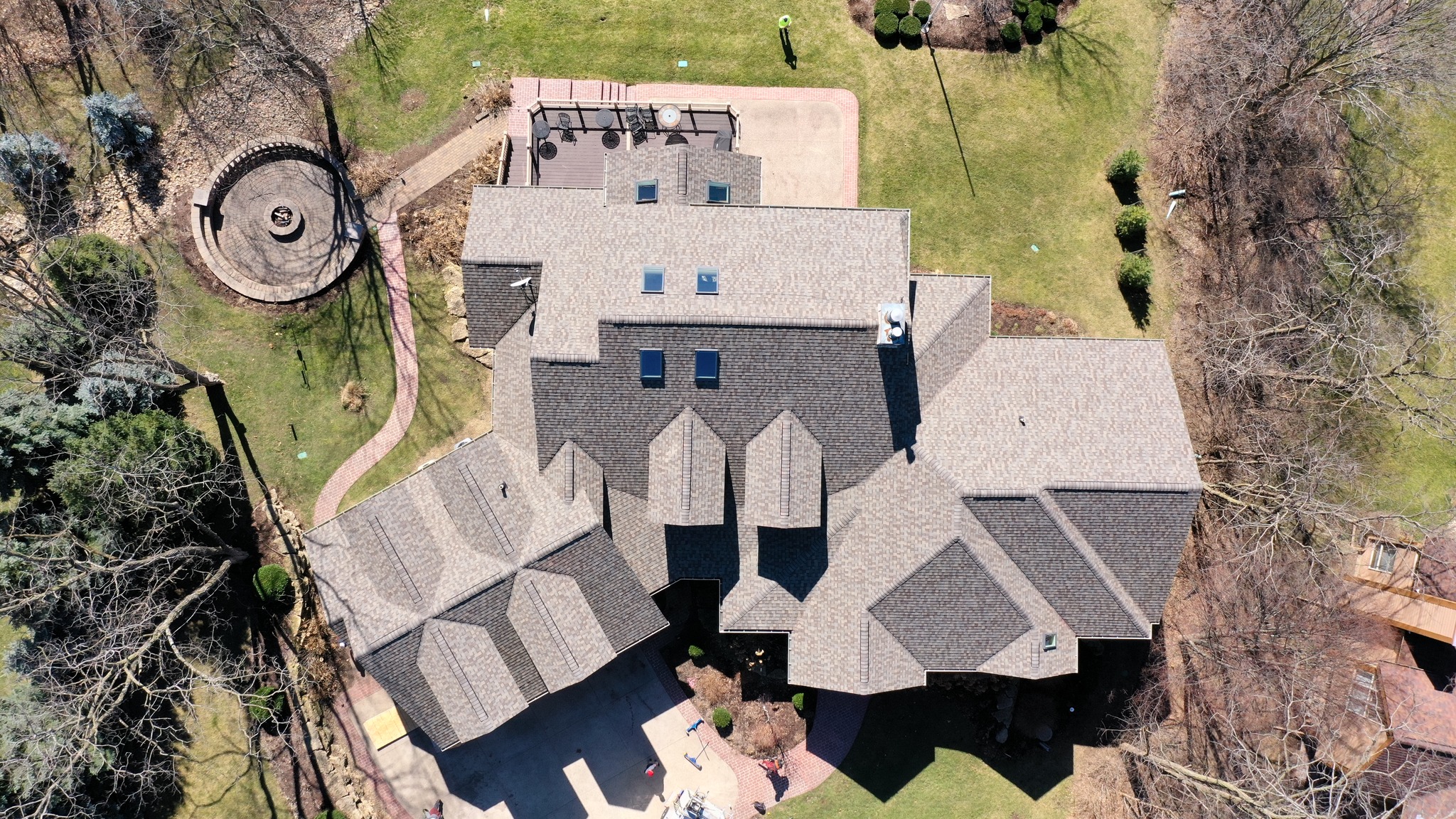
The contractor said recent inspections across the region have shown that many shingle roofing systems installed during the late 1990s and early 2000s were built using older installation standards, shorter-life shingles, and underlayment materials that often do not provide the same level of moisture protection as newer roofing components now commonly used throughout the industry and the Midwest.
“A lot of homeowners understandably focus on the shingles because that’s the visible part of the roof,” said Matthew Acevedo of Elevated Roofing. “But modern asphalt shingle roofing systems are really layered systems. The shingles matter, but the flashing details, ventilation, valleys, and waterproofing underneath are all working together to determine how the roof performs over time.”
The roofing company said asphalt shingles remain the most commonly installed residential roofing material throughout much of the Midwest due to their balance of durability, appearance options, and performance in regional weather conditions. Elevated Roofing noted that architectural shingles have largely replaced older 3-tab, or strip-style, shingles on many current roofing projects as several manufacturers have reduced production or phased out portions of their 3-tab product lines in favor of architectural shingles offering stronger wind resistance, longer expected lifespans, and improved overall durability.
The roofer said many roofing systems installed 10 to 20 years ago are now approaching the later stages of their expected lifespan throughout much of the Midwest. Elevated Roofing noted that while shingles often receive the most attention from homeowners, older underlayments, flashing systems, sealants, and other moisture-management components installed beneath the shingles may also be nearing the end of their long-term performance cycle.
According to the contractor, severe weather conditions across Illinois and Iowa over the past several years have also placed greater attention on how shingle roofing assemblies manage moisture intrusion during freeze-thaw cycles, wind-driven rain, hail exposure, and repeated temperature fluctuations. The company said newer synthetic underlayments and ice-and-water protection systems are designed to provide additional moisture resistance beneath the shingles themselves, particularly around roof penetrations, valleys, eaves, and vulnerable transition areas.
Elevated Roofing explained that many roofing failures discovered during inspections do not begin with the shingles alone, but instead involve hidden installation details beneath the surface of the roof structure. The company said recurring issues found during recent inspections have included improperly installed chimney counter-flashing, insufficient valley overlap, incorrect layering methods, and excessive reliance on caulking rather than properly integrated waterproofing systems.
“In some cases, the shingles themselves may still appear relatively normal from the ground while moisture is already finding its way underneath the roofing system,” Acevedo said. “A lot of the problems we’re seeing now involve flashing methods, underlayment failures, or installation details that homeowners would realistically never be able to identify during normal day-to-day conditions.”
The contractor said proper ventilation design has also become increasingly important in newer roofing assemblies because attic airflow can affect moisture accumulation, roof deck temperatures, shingle aging, and long-term material performance. Elevated Roofing noted that inadequate ventilation may contribute to premature deterioration even when higher-quality roofing materials are installed.
According to the company, evolving manufacturer specifications have also changed how many residential roofing systems are installed today compared to projects completed decades ago. Elevated Roofing said updated installation requirements often involve more precise fastening patterns, upgraded waterproofing methods, improved flashing integration, and stricter ventilation recommendations designed to improve long-term roof performance.
The company added that many homeowners evaluating replacement projects are now spending more time researching not only roofing materials themselves, but also the installation practices and moisture-management components being used beneath the shingles. Elevated Roofing said awareness surrounding ventilation, waterproofing, and long-term roofing durability has continued increasing as property owners attempt to better understand how current roofing systems are designed to perform in Midwest weather conditions.
Additional information about roofing services, roof types, and roofing products is available through Elevated Roofing.
###
For more information about Elevated Roofing, Inc., contact the company here:
Elevated Roofing
Matthew Acevedo
815-858-5478
info@elevatedroofinc.com
804 S Mapes Rd
Stockton, IL 61085
United States