Originally Posted On: https://www.theboxery.com/blog/can-boxes-for-shipping-improve-unboxing-without-inflating-packaging-budgets/
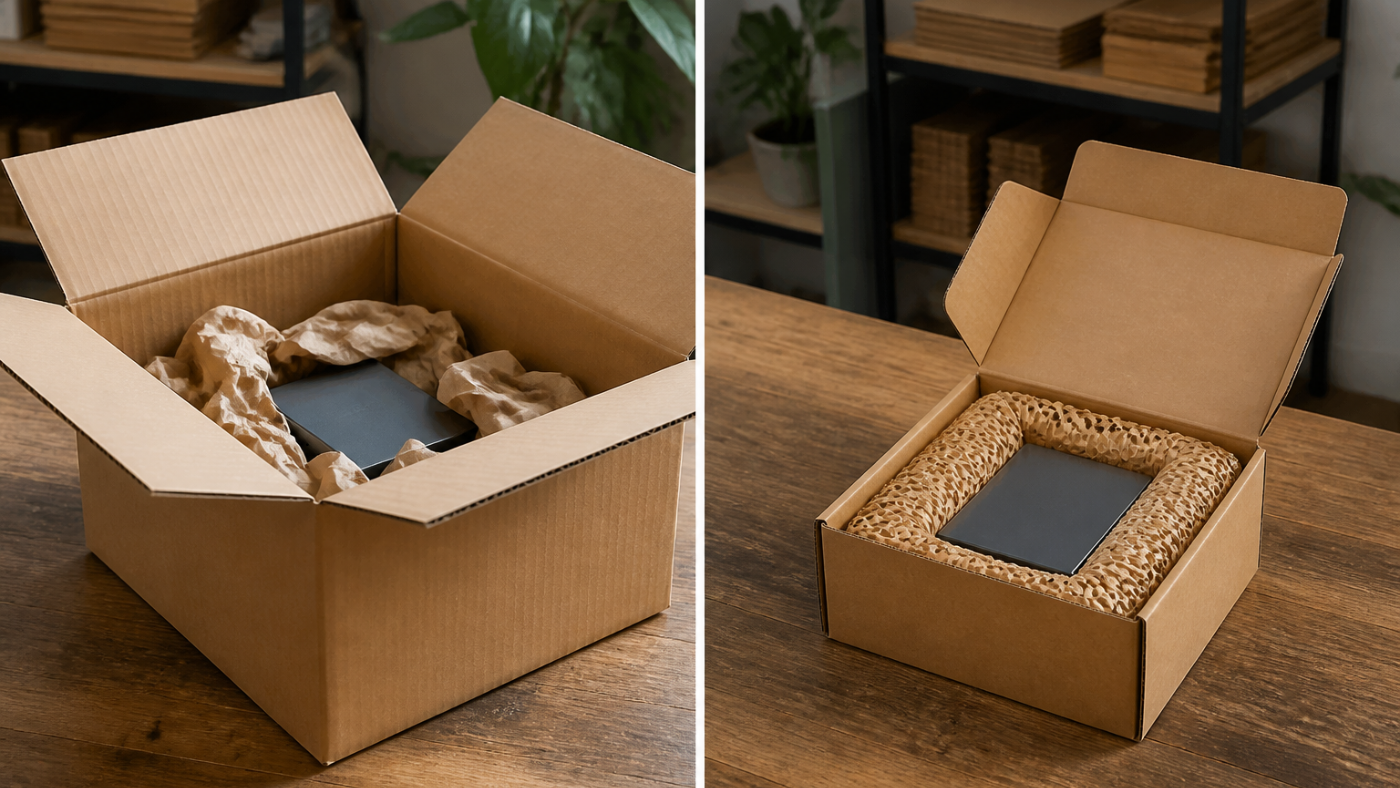
Key Takeaways
- Match boxes for shipping to the actual product size instead of defaulting to one large carton; less empty space usually means lower postage, less void fill, and a cleaner unboxing.
- Compare free carrier boxes with your own shipping boxes in bulk using total shipment cost, not unit price alone; the wrong box can raise dimensional weight enough to wipe out any savings.
- Limit your box lineup to a small, medium, tall, and long option that fits most orders; this keeps storage under control and speeds up packing for sellers shipping 50 to 1,000 orders a month.
- Choose sturdy cardboard only where the product needs it; double-wall boxes for shipping help with heavy or fragile items, but they add cost fast on lighter orders.
- Improve unboxing with plain cardboard, neat tape placement, and simple paper inserts instead of expensive custom packaging; customers notice fit, protection, and presentation before they notice fancy print.
- Audit boxes for shipping by tracking damage rate, price per shipment, and storage footprint for 30 days; that quick review often shows which cheap boxes are actually costing the business more.
One inch can wreck the math. For a seller shipping 200 orders a month, the wrong boxes for shipping can quietly add hundreds in postage, void fill, damage claims, and dead storage space before anyone even notices. Yet packaging still gets treated like a back-room supply problem instead of what it is: a margin decision that customers also see the second the order lands on their doorstep.
That tension is new—and sharper than it was a few years ago. Buyers expect a clean arrival, not a rattling item in an oversized cardboard carton stuffed with extra packing paper like an afterthought. But small sellers don’t have room for waste, and they don’t need fancy packaging theater either. In practice, the best box choice sits in that narrow middle: sturdy enough to prevent bump damage, tight enough to control dimensional weight, and plain enough to keep unit cost from creeping up. The honest answer is that unboxing doesn’t start with custom print. It starts with fit.
Boxes for shipping now shape margins as much as first impressions
Carriers now collect dim-weight fees on millions of parcels each week, and for small sellers, that means boxes for shipping affect profit almost as much as product cost. A seller shipping 300 orders a month can lose 6% to 12% of margin just from oversized cartons, extra void fill, and damage-related reships.
Why do small sellers incur packaging costs on every order
Cheap-looking packing boxes may seem smart, but weak cardboard, empty space, and poor tape choices often raise shipping materials damage reduction costs after the first bump in transit.
A tight packing routine helps:
- Match box size to SKU
- Limit extra fill
- Use double-wall only for dense or fragile items
How unboxing standards changed for marketplace and DTC orders
Customers now judge a parcel in seconds—and not just luxury orders. Even a small black mailer or clean kraft carton can feel better than a large, half-empty box stuffed with junk paper. That shift matters for marketplace sellers, college resellers, and growing business brands alike.
A neat 10x10x5 shipping box works for flat apparel bundles, while a 12x8x6 shipping box often fits mugs, candles, or small storage items with less room inside.
The short version: it matters a lot.
Where right-sized cardboard boxes cut waste without making orders look cheap
Right-size shipping boxes reduce freight spend, keep packing faster, and still look sturdy. In practice, sellers should keep three to five core sizes—plus weatherproof boxes for moisture risk and Heavy-duty corrugated boxes for dense products—and train staff on how to pack a box the same way every time.
What buyers really want when they search for boxes for shipping
What are buyers really trying to find when they type boxes for shipping? Usually, it’s not fancy packaging. It’s a box that keeps costs down, stores flat, survives carrier handling, and still makes the order feel worth opening.
Cheap, sturdy, and easy-to-store options for 50 to 1,000 monthly orders
For sellers shipping 50 to 1,000 orders a month, the sweet spot is simple:
- small footprints for storage
- sturdy cardboard that won’t crush after one bump
- bulk pricing that protects margin
A single shipping box size rarely fixes every order. A 10x10x5 shipping box works for folded apparel, kits, and boxed accessories, while a 12x8x6 shipping box often fits cosmetics, mugs, and medium home goods with less empty space. That matters.
Free carrier packaging vs. buying your own shipping boxes in bulk
Free carrier cartons sound cheap. They aren’t always. Seller-owned shipping boxes and other packing boxes usually give better size control, which cuts void fill, trims dim weight, and avoids the extra cost of shipping air.
And for odd inventory, weatherproof boxes or Heavy-duty corrugated boxes can make sense — especially for storage, long transit, or items that can’t come back damaged.
Sounds minor. It isn’t.
The gap between a box that ships and a box that protects profit
Here’s what most people miss: shipping materials damage reduction starts before tape touches the flap. It starts with fit. Too large, and profit leaks out. Too weak, and it breaks.
Right-size boxes for shipping beat oversized packing almost every time
Oversized packing burns money.
It looks safe at first, but the extra air inside a carton often means higher postage, slower packout, more fill, and a messy unboxing that feels cheap instead of sturdy.
Small, medium, large, tall, and long boxes: matching shape to product
For most sellers, better packing boxes start with shape, not guesswork. A 10x10x5 shipping box fits folded apparel or shallow home goods; a 12x8x6 shipping box works for mugs, candles, and bundled accessories; tall and long formats cut dead space for bottles, prints, or tools.
A single shipping box size for every order sounds simple. It usually isn’t.
Think about what that means for your situation.
How dimensional weight turns extra empty space into higher postage
Carriers don’t just rate by scale weight. They rate by size too—so oversized shipping boxes can price a 3 lb order like a much larger one. That’s why boxes for shipping should stay close to the product with only enough room for padding and clean presentation.
Smart teams track shipping materials damage reduction alongside postage, because more fill doesn’t always mean less breakage.
When double-wall cardboard makes sense and when it just adds cost
Heavy-duty corrugated boxes earn their keep for dense items, fragile kits, or rough parcel networks. For light apparel, books, or cosmetics, double-wall cardboard can add cost without adding much protection (and it may push the weight higher).
Weatherproof boxes help mitigate moisture risk, but most sellers need the right carton and a clear method for how to pack a box, not an extra board by default.
It’s a small distinction with a big impact.
Storage limits, packout speed, and the case for fewer box sizes
Too many SKUs slow the bench. Too few force empty space. A practical mix is usually 4 to 6 box sizes—small, medium, large, one tall, one long, maybe one extra option for odd packs. That keeps storage tighter and packout faster.
Better unboxing does not require premium packaging budgets
A marketplace seller shipping 200 orders a month swapped glossy extras for cleaner folds, tighter void fill, and one right-size shipping box. Return notes changed fast: fewer complaints about mess, fewer comments about dented corners, and more buyers saying the order felt like it came from a real business.
That’s the point. Better boxes for shipping don’t need flashy spend; they need discipline, fit, — packing choices that look deliberate.
Plain cardboard can still feel intentional with cleaner packing choices
Plain cardboard isn’t the problem. Sloppy presentation is. A clean 12x8x6 shipping box for folded apparel or a 10x10x5 shipping box for cosmetics often looks better than a large, half-empty carton stuffed with random filler.
For low-volume and bulk sellers alike, good shipping boxes and packing boxes should match the product with as little empty air as possible. Even cheap boxes for shipping can feel sharp if flaps close evenly, labels sit straight, and tape lines are neat.
Not complicated — just easy to overlook.
Inserts, kraft paper, and tape placement that reduce bump damage and mess
Three fixes do most of the work for shipping materials damage reduction:
- Kraft paper to stop item movement
- Centered inserts for small products inside a shipping box
- One clean tape seam instead of extra strips all over the top
Some sellers also keep weatherproof boxes for stock that may sit in storage or move through wet conditions, while Heavy-duty corrugated boxes make sense for dense items that can bump through a double sort.
How to make low-cost boxes feel less like junk and more like a real business
Start with fit. A short packing SOP—even one page—should show staff how to pack a box the same way every time (that alone cuts mess). Little choices matter: one thank-you slip, no loose black filler, no open space, no overboxing.
A smarter buying plan for boxes for shipping keeps costs under control
Cheap packaging choices get expensive fast.
- Buy by use rate, not unit price. Lean sellers moving 50 to 1,000 orders a month should match case packs to 3 to 4 weeks of demand, not chase bulk deals on shipping boxes that eat storage and cash.
- Standardize two or three sizes. A 12x8x6 shipping box may cover cosmetics, kits, and folded apparel, while a 10x10x5 shipping box works for flatter bundles—less empty space, fewer filler costs, lower dim charges.
- Track damage and labor together. The right shipping box cuts repacks, and better shipping materials damage reduction usually beats a lower carton price.
Case packs, wholesale breaks, and reorder timing for lean operations
Plain math. If a seller uses 120 packing boxes a month, a 25-count case often beats a 100-count buy because reorder timing stays flexible (and the shelves stay open). For dense items, Heavy-duty corrugated boxes cost more upfront but can stop double packing.
When free boxes work, when they don’t, and what sellers miss in the math
Free can be useful. Clean recycled cartons fit returns, internal storage, or college move-outs, but mixed sizes hurt brand consistency and slow packout.
A practical box audit: price per shipment, damage rate, and storage footprint
Use three checks every 30 days:
Sounds minor. It isn’t.
- Cost per shipment: box, fill, tape, labor
- Damage rate: returns per 100 orders
- Storage footprint: floor or rack space per case
Add one more test: if weather exposure is common, weatherproof boxes may beat standard cardboard. And if staff still ask how to pack a box, the box mix is probably too messy.
Frequently Asked Questions
Does the USPS have free boxes?
Yes, USPS offers free boxes for shipping on select services, mainly Priority Mail and Priority Mail Express. Those boxes can only be used with those services, so they aren’t a general source of cheap packing supplies for every order.
Who is the cheapest for shipping boxes?
The cheapest option depends on what is being measured: box price, shipping rate, or total packed cost. In practice, sellers shipping 50 to 1,000 orders a month usually save more by buying right-size cardboard boxes in bulk or wholesale quantities than by chasing the lowest single-box price, because an oversized box adds dimensional weight fast.
Where can I get a box for shipping for free?
Free boxes for shipping often come from carrier programs, local reuse streams, or leftover cartons from incoming inventory. But free isn’t always cheap—used boxes may be weak, odd-sized, or too beat up for customer orders, which can raise damage rates and packing time.
Does UPS give you free boxes?
Yes, carrier-branded boxes are available for some service levels, but the same rule applies: they must match that carrier’s service terms. For everyday e-commerce orders, plain shipping boxes bought by case usually give sellers more control over size, price, and presentation.
What size box is best for shipping?
The best box is the smallest sturdy box that fits the product and the needed cushioning. A box with about 1 to 2 inches of space on each side for packing material works for most breakable goods, while soft items can often go in a small mailer instead of a cardboard carton.
That gap matters more than most realize.
Are cheap shipping boxes good enough for business use?
Sometimes. Cheap boxes for shipping work fine for light items if the board strength matches the load, but weak walls, crushed corners, or poor sizing can wipe out those savings on one damaged order.
Should small businesses buy shipping boxes in bulk?
Usually, yes—if order volume is steady and storage isn’t a mess. A seller shipping 200 orders a month can often cut box cost per unit by 15% to 35% with bulk case buys, though it makes sense to stock only the three to five sizes used most often.
What makes a shipping box sturdy enough?
Look at board strength, item weight, and trip length. For most small business orders under 65 pounds, a standard single-wall corrugated box rated 32 ECT is enough; heavier, dense, or fragile products often need double-wall construction and extra packing support.
Can moving boxes be used for shipping orders?
They can, but they usually aren’t the best choice for parcel shipping. Moving boxes are often made for storage and hand-carry use, not parcel pricing, so they may be too large, too tall, or just inefficient for shipping costs.
How many box sizes should an online seller keep on hand?
Most sellers don’t need a wall of empty cartons in every dimension. Three to six core boxes for shipping—usually one small, two medium, one long, and one extra size for awkward items—covers a big share of orders without eating all the storage space.
Better packaging decisions usually come down to three numbers: shipping cost, damage rate, and how much space supplies eat up before they ever reach a customer. For sellers handling 50 to 1,000 orders a month, that math matters more than fancy presentation. Right-size boxes for shipping trim wasted air, reduce dimensional weight charges, and still leave room for a cleaner unboxing experience that feels planned rather than cheap. That’s the real shift. A plain corrugated box can do the job well—if the size fits the product, the strength matches the load, and the packout inside doesn’t create a mess on arrival.
And the budget question isn’t really about the unit price of a box. It’s about total cost per shipment (including void fill, postage, labor, and replacements on damaged orders). Sellers who treat packaging that way tend to spend less, not more. That single audit will show where margin is leaking—and where it can be kept.